Islamic Studies

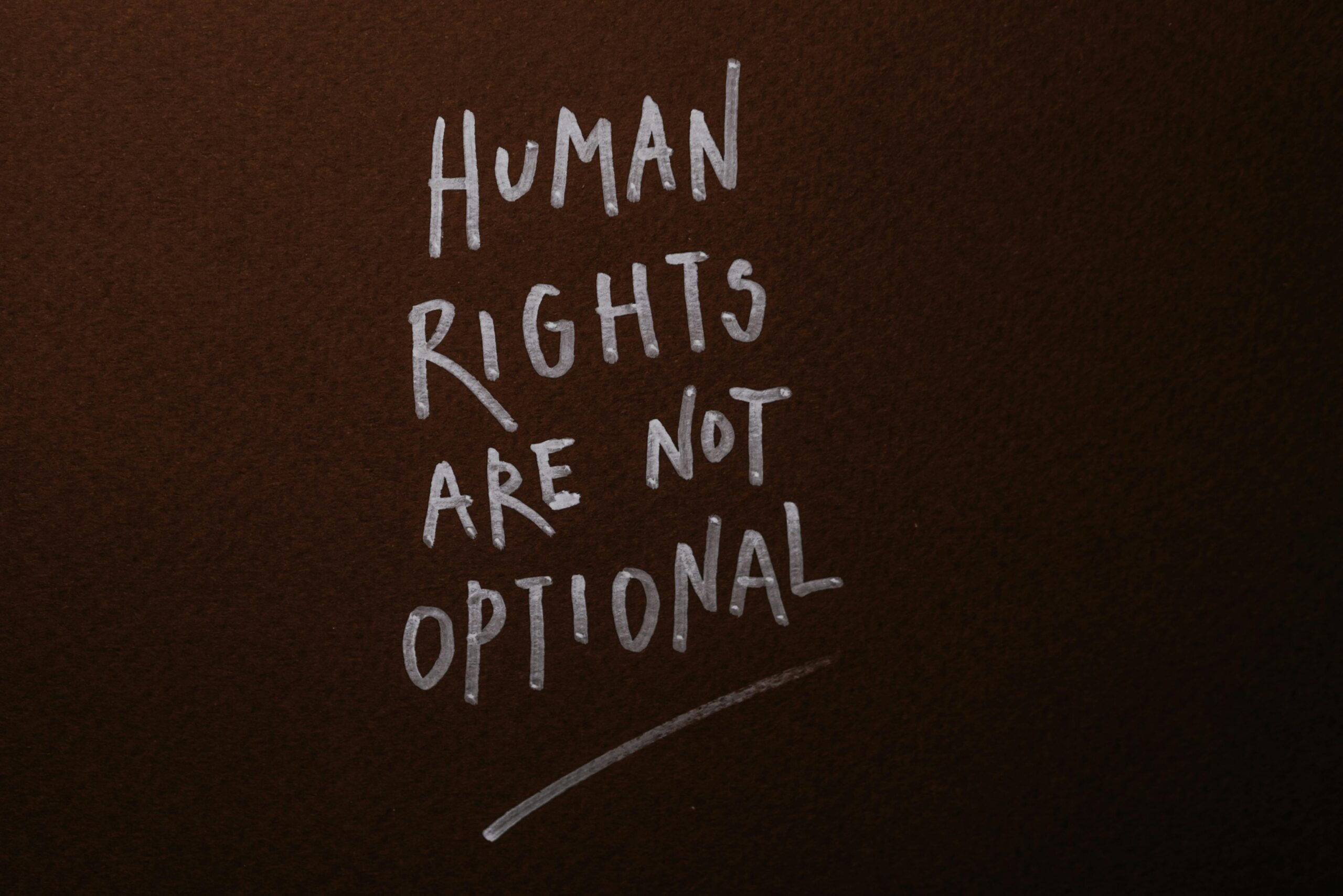
Handwritten message advocating for human rights on a rich brown background.

Provide a comparative and critical analysis of the human rights granted by Islam with those enshrined in the Universal Declaration of Human Rights (UDHR).

Introduction Human rights are moral principles that describe certain standards of human behavior and are regularly protected as natural and legal rights. According to the UN, human rights are rights inherent to all human beings regardless of race, sex, nationality, ethnicity, language, religion, or any other status. These rights include the right to life and […]
Provide a comparative and critical analysis of the human rights granted by Islam with those enshrined in the Universal Declaration of Human Rights (UDHR). Read More »

Religion vs Deen: The Fundamental Distinction Every Muslim Should Know

Introduction In the light of the Quran, Islam is regarded as a Deen—which means a complete code of life. The Deen that Prophet Muhammad (PBUH) brought is one that would triumph over all other ways of life. Most of us interpret Religion and Deen as the same or with only minor differences. However, there exists a profound and fundamental distinction between the two

Religion vs Deen: The Fundamental Distinction Every Muslim Should Know Read More »

Islamic Economics: A Complete Guide to the Balanced Economic Model

Introduction Economic systems form the backbone of any society, determining how resources are allocated, wealth is distributed, and prosperity is achieved. Throughout the world, different economic models have emerged, each with its own philosophy, strengths, and weaknesses. This comprehensive guide explores the Islamic Economic System—a unique model introduced over 1,400 years ago that combines the best

Islamic Economics: A Complete Guide to the Balanced Economic Model Read More »

Islamic Governance: A Complete Guide to Principles and Practice

Introduction No nation can dream of development without good governance. It is an essential prerequisite for all organizations to abide by the principles of good governance in order to move forward and attend to the goal of public welfare. Good governance is a culture that makes people act responsibly and thoughtfully. This comprehensive guide explores the

Islamic Governance: A Complete Guide to Principles and Practice Read More »

Hazrat Abu Bakar R.A. Governance: Principles, Reforms & Legacy of the First Caliph

Introduction Hazrat Abu Bakar (R.A.) was the first among the four pious caliphs. He governed the Muslim Ummah for almost 2 years and 3 months—a short yet profoundly impactful tenure that laid the foundation for Islamic governance. Despite its brevity, his leadership faced immense challenges, including the aftermath of the Prophet’s (PBUH) passing, the Ridda wars

Hazrat Abu Bakar R.A. Governance: Principles, Reforms & Legacy of the First Caliph Read More »