Introduction
Definition
Secular Definition: Abstaining from all or some kinds of food or drink, from sunrise to sunset.
Islamic Definition: Abstaining not only from eating and drinking but from every evil deed to please Allah SWT, from the break of dawn to sunset. Soum is made compulsory for Muslims in the month of Ramzan. It is an obligatory worship and the 3rd pillar of Islam.
Lexicology
The meaning of Soum is to “abstain oneself from something“.
Historical Context
Jews and Christians used to fast on certain occasions. The Prophet PBUH said: “We should also fast but more than them because we are better believers than them.” When Christians fasted only on the 10th of Muharram, the Prophet PBUH ordered us to fast for two days—either the 9th and 10th or the 10th and 11th of Muharram—to maintain a distinction between us and them. [Hadith]
Purpose of Soum
1-Restraint (Sabr)
Fasting teaches us to restrain ourselves from materialistic things, including food, wrongdoings, desires, and more.
2-Sacrifice
It helps us sacrifice our comfort by abstaining from prohibited things even when they are available.
3-Physical Benefits
Fasting aids in weight loss, promotes better heart health, keeps cholesterol levels low, and improves the body’s metabolism.
4-Empathy
Fasting enables us to empathize with the hunger and hardships faced by poor people. By experiencing their difficulties firsthand, we are better equipped to help them. This is why special arrangements for fasting are made for the poor during Ramzan.
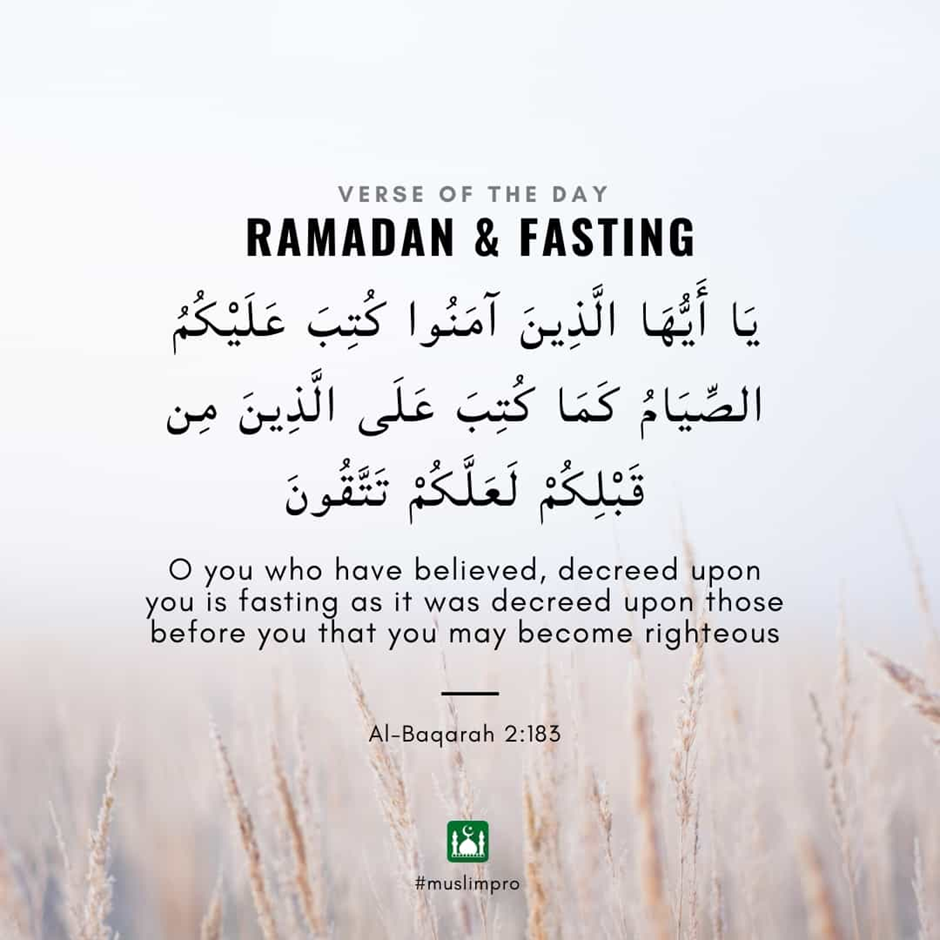
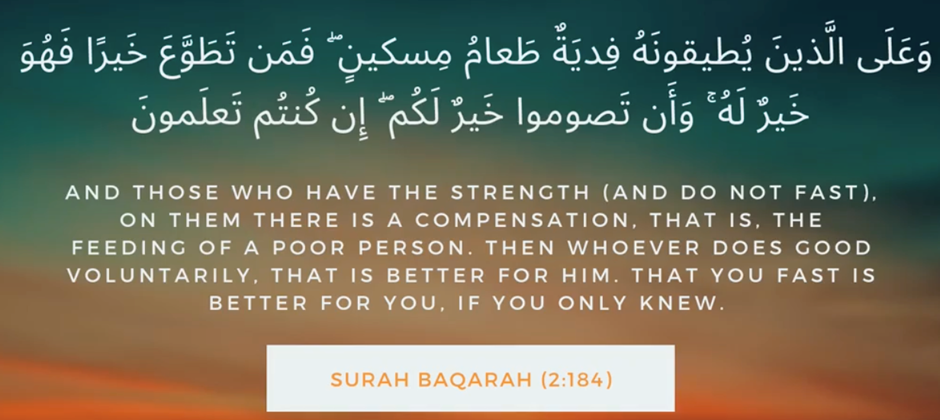
Fasting in the Light of the Quran
Philosophy of Fasting/Roza/Saum
Drawing from Allama Iqbal’s thesis in “The Reconstruction of Religious Thought in Islam”:
Human beings are part of nature, yet Allah has made humans Ashraf ul Makhlooqat (the noblest of creation) with power over nature. We can harness nature for our benefit—producing electricity from sunlight, changing the direction of rivers, transforming barren land into fertile soil. Allah has granted this superiority only to humans.
Iqbal observes that most people (other than Muslims) live as servants of nature, governed by animal instincts rather than believing in themselves as Ashraf ul Makhlooqat. He argues that Islamic worship drives home the point that humans are not weaker than nature or servants to it—they are superior.
The Philosophy Behind Soum:
Iqbal explains that while every animal wakes up after sunrise, Muslims wake up before sunrise as a sign of their superiority. During fasting, when a hungry animal is given food, it eats immediately. But Muslims, despite having food available, say to their bodies: “O my body! My spirit is superior to you. Even in hunger, I restrain myself.”
Islamic worship demonstrates that the authority of the human spirit is greater than that of the human body. In short, fasting reminds humans that they are better than animals, and Muslims must transcend their animal instincts.
Benefits of Soum/fast/Roza
1. Personal Benefits
- Self-discipline
- Personal growth
- Character development
2. Social Benefits
- Sympathy for others
- Honesty and integrity
- Unity between poor and rich
- Fighting peer pressure (removing one’s bad deeds)
3. Spiritual Benefits
- Increased remembrance of Allah
- Development of patience and piety
- Fortitude (bravery and courage)
- Stronger commitment to faith
- Self-restraint
4. Moral Benefits
- Performing virtuous deeds
- Enjoining righteousness
- Supporting charities
- Abstaining from abuse and other immoral deeds
5. Physical Benefits
Medical advantages include:
- Cholesterol control
- Weight management (obesity prevention)
- Better nutrition
- Improved metabolism
6. Psychological Benefits
- Feeling more powerful and in control
- Greater self-mastery
- Experiencing and understanding empathy
7. Economic Benefits
- Circulation of wealth through Zakat, which is mostly given in Ramzan
- Eradication of hunger
- Ramzan markets boost economic activity
8. Political Benefits
- Greater attendance in mosques
- Increased interest in righteous political acts
Example: Youm al-Quds (Day of solidarity with Palestine observed on the last Friday of Ramzan)