
Salat/Namaz/Prayer:
Introduction
Definition: It is the compulsory ritualized Islamic practice in which Muslims pray to Allah five times a day.
Lexicology: Salah is derived from the root و ص ل (w-ṣ-l) which means “linking or bonding things together”, hence why the obligatory prayers in Islam are referred to by the word salah (in the sense that through prayer one “connects” to God)
Importance of Salat/Prayer/Namaz in the Light of Quran & Hadith:
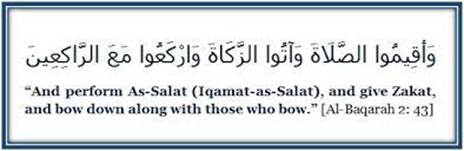

Benefits of Salat/PRAYER/NAMAZ:
- Personal benefit: The personal benefits of Salat are
- Humility (rich, poor, president, and labor) everyone is the same in front of Allah.
- Discipline
- Punctuality [Surah-Nisa-103]

- Social benefit:
- Connection to the Muslim Community.
- Aware of surroundings: such as which person needs help.
- Discuss social problems: during prayers which removes one’s anxiety and solitude while discussing it with others
- Spiritual benefit:
- Closeness to Allah: Prophet PBUH said,” A servant is nearest to his Lord when he is in the state of prostration.”
- Hope

- Accountability: A person who constantly offers salat must feel guilty if he does something wrong.
- Physical benefit:
- Exercise
- Break from the routine at work.
- Cleanliness of body and surroundings
- Early to rise and early to bed
- National benefit:
- Accountability: People ask for the accountability of leaders mostly on the day of Friday prayer.
- Platform to raise concerns and Engage masses: E.g.: Revolution in Iran & Egypt, Azaan during 1965 war.
- Global benefit:
- Conformity (Mutabiqa) within the Umma: All Muslims in every corner of the world offer prayer in the same direction which is Khanna Kaaba.
- Unity of Muslims: All Muslims stand together in the same line.
- International Solidarity:
- Economic benefit:
- A much-needed respite from work: that increases productivity as well.
- Historic Jumma markets and trade fairs.
- Political benefit:
- An extraordinarily strong statement of Muslim solidarity and expression
- A symbol for Muslim resistance:
- Moral benefit: