Introduction
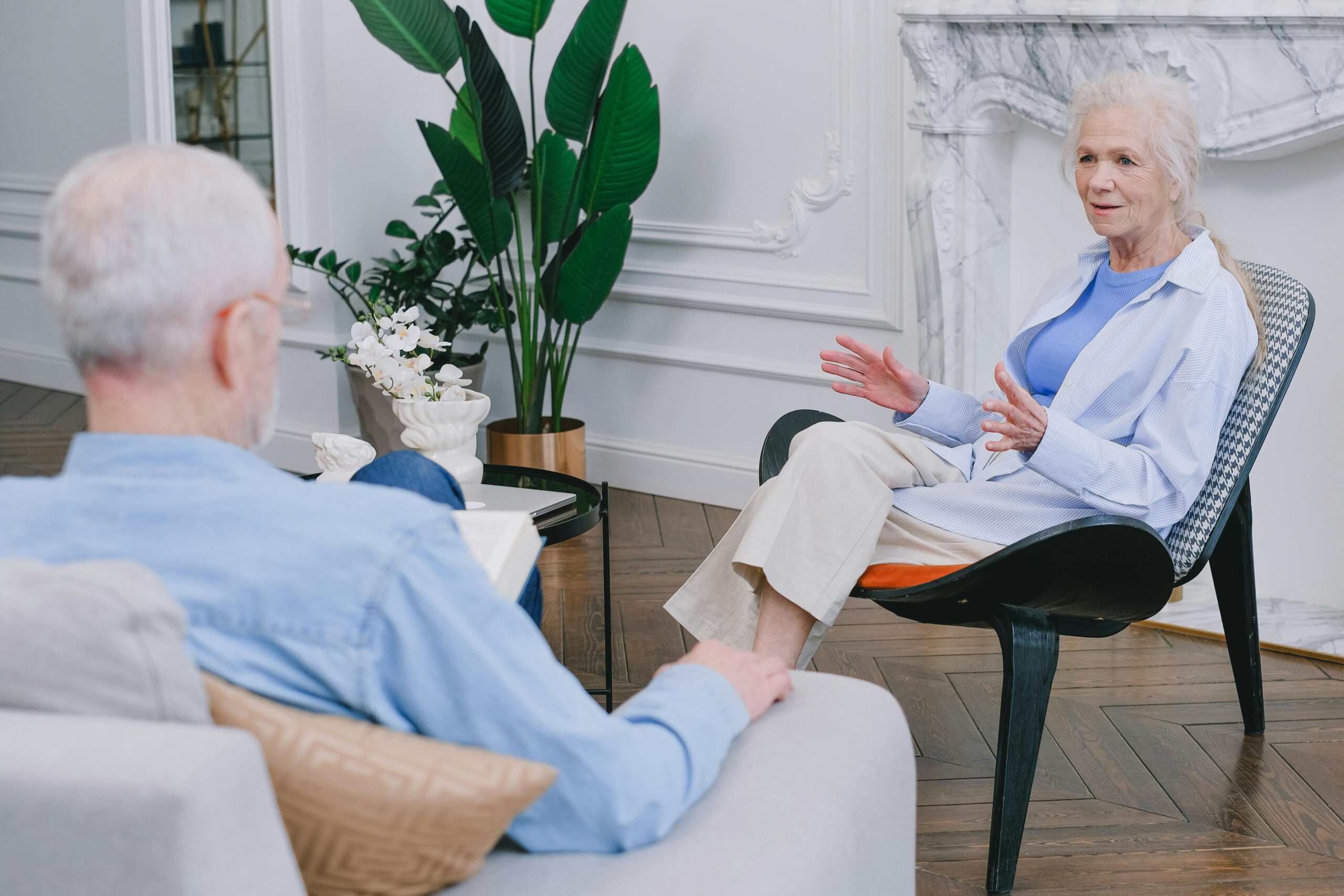
There was a time when the rhythm of a household was measured not by the hum of air conditioners or the glow of smartphone screens, but by the gentle voices of elders sharing stories of joys, sorrows, love, pain, and courage. These stories echoed through every corner of the home—passed from grandparent to parent, from parent to child, weaving a tapestry of belonging that held families together across generations. Those days, for many, have faded into memory.
Life has been completely transformed. The same homes that once resonated with laughter and conversation now find young people absorbed in their own worlds—scrolling through social media, chasing professional ambitions, or simply too busy to pause. In this quiet shift, the elderly—the very architects of our families—have often been left in a solitude they never anticipated. Their loneliness, born of neglect and changing times, now cries out for companionship.
This loneliness of old people will be converted into companionship in old-age homes. In this way, old-age homes have become necessary because they provide shelter, medical facilities, and supervision of food and water. They also offer an alternative option for parents in the case of a child who is irresponsible and spends most of their time lost in the digital void. However, there are many resistances in our society to building old-age homes—such as the expense involved, religious and cultural barriers, lack of trust in staff members, the emotional attachment of parents with children, and the fear of children facing the same situation later in life. Yet, positive projection, fundraising, inclusion of religious scholars, and launching advertising campaigns will pave the way for building old-age homes.Old-age homes have become essential for society. Despite this need, they are resisted by some elements of society rooted in religious, cultural, and traditional values. Therefore, it is mandatory to project the positive side of old-age homes to counter this resistance.
The Crunch: A Society at Crossroads
We stand at a defining moment. The family structure that once served as the bedrock of our society is undergoing unprecedented strain. Joint families, where three or four generations lived under one roof, are giving way to nuclear setups where elderly parents find themselves alone in apartments while their children pursue careers in distant cities. The village elder who was once the center of wisdom is now a distant voice on a phone call. The grandmother who taught her grandchildren the art of patience now watches them through a screen.
This is not a crisis of love—it is a crisis of time, space, and structure. The love remains, but the scaffolding that supported it has begun to crumble. And in this gap, the question emerges: what do we do with those who built us? The answer, uncomfortable as it may be for many, is increasingly pointing toward old-age homes—not as a replacement for family, but as a necessary response to a changing world.
Necessity of Old-Age Homes in Our Society
A. Giving Shelter to Old People
The most fundamental human need is shelter. Yet, in a society where housing is increasingly unaffordable and living spaces are shrinking, many elderly individuals find themselves without a secure place to call home. Some are left behind when children migrate abroad or to other cities. Others live in homes where their presence is tolerated rather than welcomed. Old-age homes offer a dignified alternative—a roof that is not conditional on the goodwill of a busy child, but a right earned through a lifetime of contribution.
B. Proper Medical Facility for Old People
Age brings with it a constellation of health concerns—blood pressure, diabetes, arthritis, memory loss, and the myriad complications that accompany the body’s gradual decline. In a household where all adults are working, ensuring that an elderly parent receives timely medication, regular check-ups, and immediate attention during emergencies becomes nearly impossible. Old-age homes equipped with trained medical staff and round-the-clock care provide a safety net that many families, despite their best intentions, simply cannot replicate at home.
C. Supervision of Their Food and Water
What seems simple—ensuring an elderly person eats properly and stays hydrated—becomes a profound challenge in busy households. Missed meals, forgotten medications, and inadequate nutrition are not failures of love but failures of time. Old-age homes offer structured routines where meals are prepared according to dietary needs, hydration is monitored, and nutritional requirements are met with consistency that busy families often struggle to provide.
D. Alternative Choice for Old People in Case of Irresponsible Children
Not every child, unfortunately, fulfills the responsibility that Islam and society place upon them. There are cases—painful to acknowledge but impossible to ignore—where children abandon their parents emotionally, financially, or physically. In such situations, what becomes of the elderly parent? They are left with no options, no recourse, no dignity. Old-age homes provide an alternative—a place where they can live not in the shadow of neglect but in the light of care, regardless of their children’s choices.
E. Busy Life of People Due to Social Media
This may sound like a trivial reason, but it is among the most pervasive. The hours that once belonged to family conversations are now consumed by digital engagement. Young people spend an average of six to eight hours daily on their phones—time that could have been spent sitting with an elderly parent, listening to their stories, or simply being present. Social media has not replaced love, but it has stolen time. And in that stolen time, old-age homes become not a choice but a necessity—a place where the elderly can find the companionship that their own homes no longer offer.
Why Resistance to Old-Age Homes Exists in Our Society
A. Expense of Old-Age Homes
For many families, the cost of placing a parent in a reputable old-age home is prohibitive. Quality care comes with a price tag—rent, staff salaries, medical facilities, meals—and in a country where pensions are rare and savings are meager, this expense feels insurmountable. Resistance, therefore, is not always born of ideology; sometimes it is born of poverty.
B. Lessons of Islam About Taking Care of Children
Islam places an immense responsibility on children to care for their aging parents. The Quran commands kindness and respect, and the Prophet (PBUH) taught that the pleasure of Allah lies in the pleasure of one’s parents. For many Muslims, the idea of sending a parent to an old-age home feels like a direct violation of this sacred duty. They fear that by doing so, they are abandoning a trust that Allah has placed upon their shoulders.
C. Cultural Barriers to Keep Elder People at Home
In our culture, caring for elderly parents is not just a moral duty—it is an identity marker. A family that sends its elders to a home is often whispered about, judged, and shamed. There is a deep-seated belief that true love and loyalty are demonstrated by keeping parents under one’s own roof, regardless of the challenges. This cultural pressure makes old-age homes feel like a betrayal of heritage and belonging.
D. Lack of Trust on Staff Members of Old-Age Home
Horror stories, whether true or exaggerated, have created a deep mistrust. Families fear that their parents will be neglected, abused, or mistreated in institutions where no family member is watching. Even reputable homes struggle against this perception. The thought of a stranger caring for one’s parent—feeding them, bathing them, tending to their needs—fills many with anxiety and guilt.
E. Emotional Attachment of Parents with Children
This is perhaps the most poignant resistance. Parents, even when neglected, often refuse to leave their homes because their hearts are tied to their children. The house where they raised their family holds memories that no institution can replicate. The thought of being surrounded by strangers instead of their own flesh and blood feels like a kind of death before death. Their emotional attachment becomes an anchor that keeps them in places where they may no longer be properly cared for.
F. Fear of Children for Facing the Same Situation Later in Their Life
There is a quiet, unspoken fear among the younger generation: if I put my parents in a home, will my children one day do the same to me? This fear is not irrational. It reflects a deep concern about precedent and the normalization of what was once unthinkable. Parents fear that by breaking the tradition of home care, they are authorizing their own children to follow the same path decades later.
G. Results in Less Interaction Between Parents and Children
Perhaps the most valid concern is that old-age homes, by their very structure, reduce interaction between generations. When a parent moves into a facility, the daily rhythms of shared meals, evening conversations, and casual moments of care disappear. Visits become scheduled events, and intimacy gives way to formality. This loss of connection is a genuine cost that cannot be dismissed.
How the Concept of Old-Age Homes Can Be Promoted Positively
A. Positive Projection of Old-Age Homes
The first step is to change the narrative. Old-age homes should not be portrayed as places of abandonment, but as communities of companionship. Instead of framing them as “where children send parents they don’t want,” we must present them as “where elders find friends, care, and purpose.” Marketing, storytelling, and media representation must shift from shame to dignity. When we see an old-age home as a place where laughter echoes in common rooms, where gardens are tended together, where meals are shared with peers, the perception begins to transform.
B. Initiatives of Fund-Raising Programmes for Old-Age Homes
Quality care requires resources. If old-age homes are to be accessible to all, not just the wealthy, we must build systems of community support. Fundraising campaigns, Zakat contributions, corporate social responsibility initiatives, and government subsidies can make these facilities affordable. When the cost barrier is lowered, resistance rooted in expense begins to dissolve.
C. Involvement of Religious Scholars
If the resistance is theological, the response must also be theological. Religious scholars and imams must be brought into the conversation—not to issue blanket endorsements, but to engage in nuanced discussions about what Islam actually requires. Is it better for a parent to be neglected at home or cared for in a facility? Does Islam mandate the physical presence of a child, or does it mandate sincere care in whatever form it takes? When scholars speak with compassion and realism, they can help families reconcile faith with modern realities.
D. Launching of Social Media Campaigns
Irony aside, the very force that has contributed to the isolation of the elderly—social media—can also be harnessed to solve it. Campaigns that share stories of thriving elders in old-age homes, testimonials from grateful families, and videos of intergenerational visits can reshape public opinion. Influencers, bloggers, and community leaders can use their platforms to normalize the idea that seeking professional care for aging parents is an act of responsibility, not abandonment.
Conclusion
In a nutshell, old-age homes have become essential for society. Despite this need, they are resisted by some elements of society rooted in religious, cultural, and traditional values. Therefore, it is mandatory to project the positive side of old-age homes to counter this resistance. For in doing so, we do not weaken family bonds—we strengthen them, by ensuring that no elder is left behind, whether under our roof or in a place built to shelter them with dignity.