Introduction
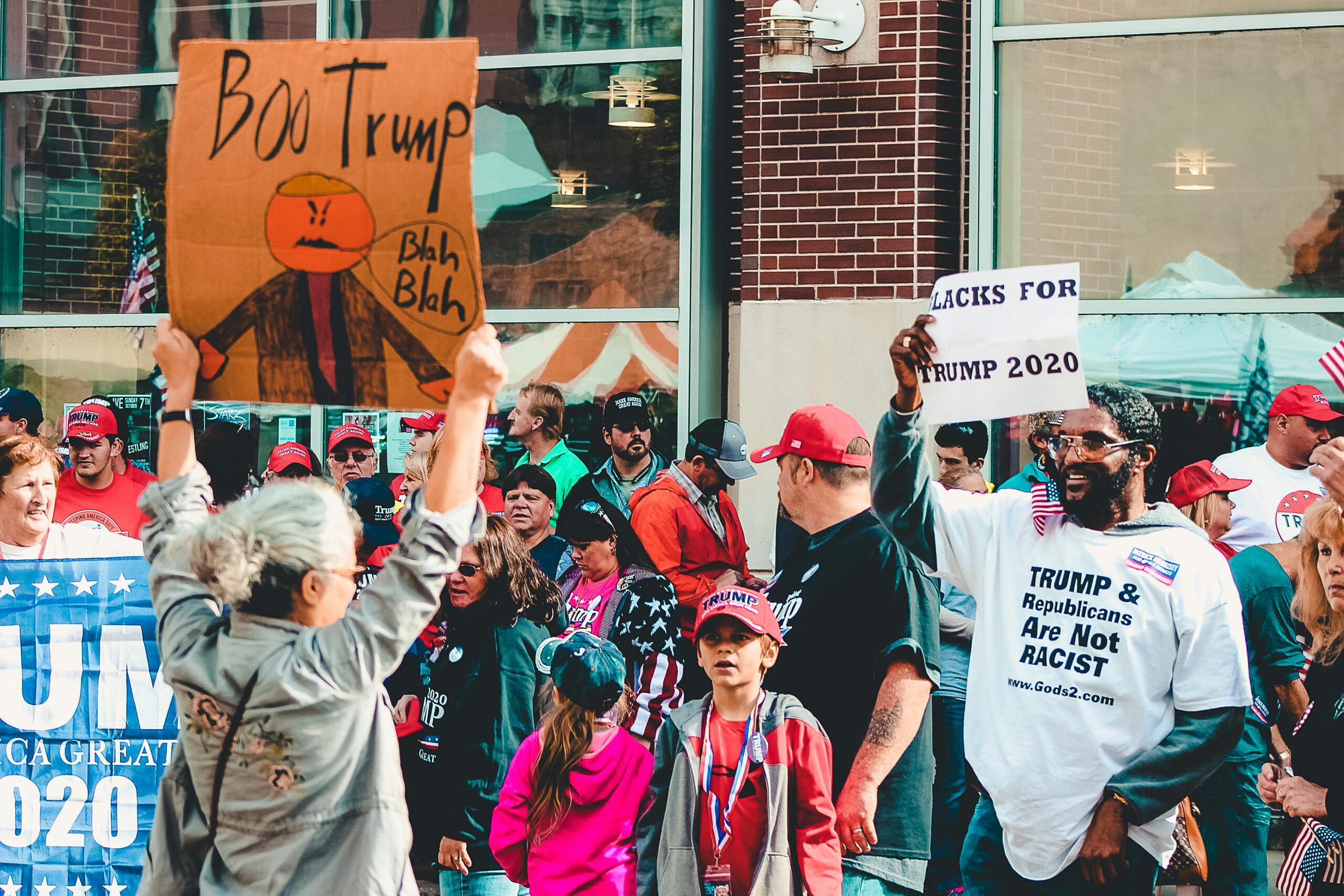
Democracy is often celebrated as a system that allows diverse opinions and political competition. However, when political differences become extreme and societies divide into rigid camps, democracy itself begins to suffer. This phenomenon, known as political polarization, has emerged as one of the most serious challenges to modern democratic systems. In many countries today, political rivalry is no longer confined to policy debates; instead, it has evolved into deep social and ideological divisions. As these divisions intensify, democratic norms weaken, institutions lose credibility, and societies experience instability.
Defining Political Polarization
Political polarization refers to the process through which political opinions and identities move toward ideological extremes, creating two or more sharply divided camps within society. In such environments, compromise becomes difficult because political actors begin to view their opponents not merely as rivals but as enemies. This shift transforms healthy political competition into a destructive struggle for dominance, threatening the very foundations of democratic governance.
How Political Polarization Threatens Democracy
One of the most visible consequences of political polarization is political instability, which deepens social divisions within society. When citizens become strongly attached to opposing political camps, social cohesion begins to weaken. The Yellow Vest protests in France illustrate how economic grievances combined with political divisions can create widespread unrest. What initially started as protests against fuel taxes quickly evolved into a broader movement reflecting dissatisfaction with political leadership and economic inequality.
Another danger of polarization is that political leaders facing intense opposition may deviate from democratic norms in order to retain power. When political survival becomes the primary objective, leaders often undermine democratic institutions and concentrate authority in their own hands. The political trajectory of Nicolás Maduro in Venezuela provides a striking example of this tendency, as he consolidated power and weakened opposition institutions amid severe political polarization.
Political polarization can also create a hostile environment for minority groups. When politics becomes deeply divided along identity lines, political actors sometimes mobilize support by targeting minorities. Rising Islamophobic attacks against Muslim communities in the United Kingdom demonstrate how political narratives can contribute to social hostility and discrimination against vulnerable groups.
Furthermore, polarized political environments encourage leaders to use state institutions as tools against their opponents. Instead of serving the public interest, institutions may be weaponized to suppress dissenting voices. The legal challenges faced by Indian opposition leader Rahul Gandhi illustrate how political rivalry can lead to the use of institutional mechanisms against political opponents.
Another critical consequence of polarization is the erosion of public trust in democratic institutions. When citizens begin to believe that elections or political processes are unfair, they lose confidence in democracy itself. The attack on the United States Capitol in 2021 demonstrated how extreme political divisions and mistrust in electoral outcomes can lead to unprecedented challenges to democratic legitimacy.
In highly polarized societies, political leaders often become more focused on defeating their rivals than on building strong institutions or addressing public needs. In Pakistan, for example, political competition frequently revolves around personal rivalries and power struggles, while issues such as human development, education, and economic reform receive insufficient attention. As a result, governance suffers and national progress slows.
Political polarization also creates fertile ground for misinformation. Political actors may spread misleading narratives or manipulate information to gain electoral advantage. The Cambridge Analytica scandal 2020 in the United States revealed how personal data and targeted messaging were used to influence political opinions, intensifying divisions within society.
Another danger is the weakening of the separation of powers. In polarized environments, political leaders often attempt to dominate other branches of government in order to secure political advantage. When checks and balances are undermined, democratic systems become increasingly fragile.
Finally, extreme polarization can lead to social unrest and the rise of extremist movements. As political identities harden, citizens may adopt more radical positions, increasing the likelihood of protests, violence, and long-term instability.
The Way Forward
Despite these challenges, political polarization is not an irreversible process. Democracies can adopt several strategies to mitigate its harmful effects.
First, political reconciliation is essential. Historical examples such as the Truth and Reconciliation process in South Africa demonstrate how societies can address deep divisions through dialogue, accountability, and collective healing.
Second, governments must address the economic grievances that often fuel political discontent. Policies aimed at reducing inequality, expanding employment opportunities, and improving social welfare can reduce frustration and prevent political divisions from escalating.
Third, building inclusive and impartial institutions is crucial for restoring public trust. When institutions operate transparently and fairly, citizens are more likely to believe in the legitimacy of democratic processes.
Conclusion
Political polarization is an increasingly significant threat to democratic governance around the world. While disagreement and debate are natural elements of democracy, extreme polarization transforms political competition into a destructive struggle that weakens institutions, divides societies, and undermines public trust. To preserve democracy, political leaders and citizens alike must prioritize dialogue, institutional integrity, and inclusive governance. Only by reducing divisions and strengthening democratic norms can societies ensure that democracy continues to serve its fundamental purpose: representing the collective will of the people while safeguarding the stability of the state.