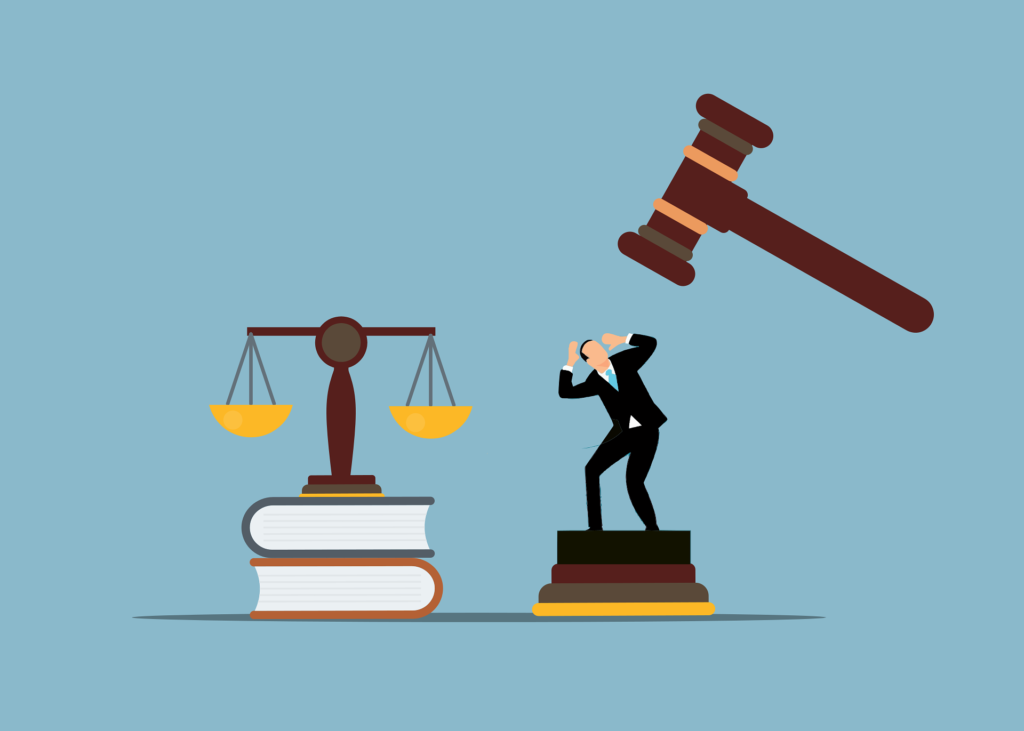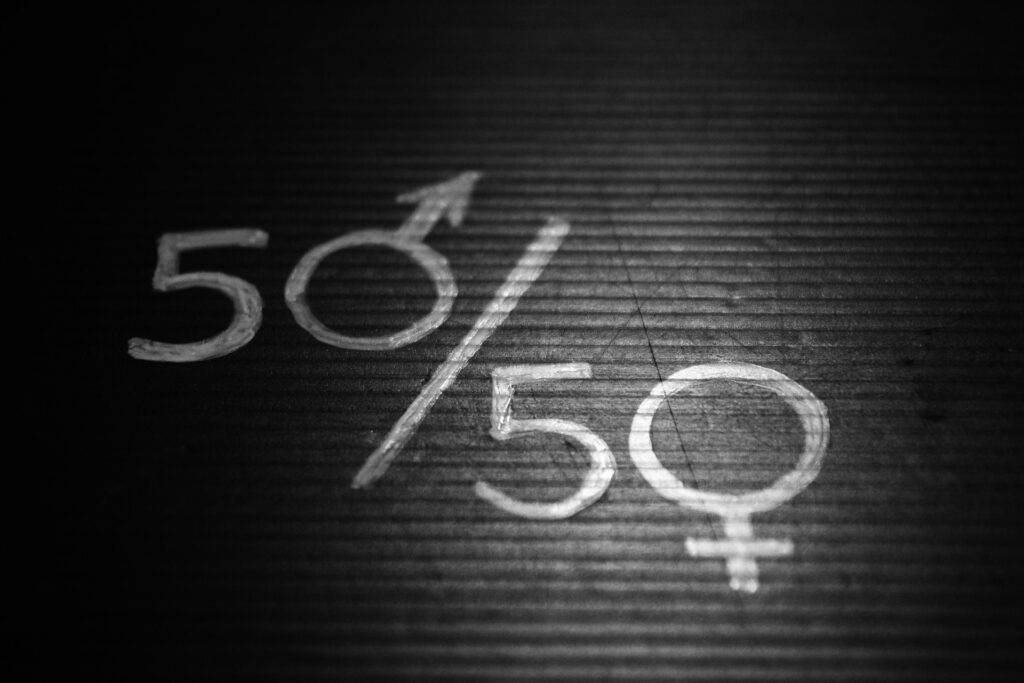
The philosopher John Stuart Mill once wrote, “The legal subordination of one sex to the other is wrong in itself and now one of the chief hindrances to human improvement.” Nearly two centuries later, those words still echo with painful relevance. Across the globe, women continue to be subordinated—socially, politically, and economically—despite decades of activism, legislation, and international declarations. Gender equality, proclaimed as an undeniable human right, remains for billions of women a distant dream. It is not a reality; it is a global illusion.
This essay argues that gender equality is, in practice, a myth sustained by systemic barriers: underrepresentation in power structures, persistent pay gaps, cultural restrictions on education, and the pervasive threat of violence. Yet, this myth is not unbreakable. By examining its roots and exploring proven pathways to change, we can begin to transform illusion into reality.
Part I: The Myth Exposed – How Inequality Persists
1. The Political Vacuum: Where Are the Women?
In the halls of power, women are conspicuously absent. Parliaments, cabinets, and boardrooms remain overwhelmingly male. As of 2024, women hold only 26.5% of parliamentary seats worldwide (Inter-Parliamentary Union). This is not a reflection of capability but of exclusion. When laws are made without women, issues like domestic violence, reproductive rights, and workplace discrimination are marginalised. The result is a legal framework that often fails to protect half the population.
2. The Leadership Gap: Breaking the Glass Ceiling
Even when women enter the workforce, they rarely reach the top. The “glass ceiling” is not a metaphor; it is a measurable reality. A McKinsey report found that women hold just 10% of executive positions in S&P 500 companies. This is not for lack of ambition or talent—it is the result of entrenched biases, unequal mentorship, and workplace cultures that reward male assertiveness while penalising female ambition.
3. The Persistent Pay Gap
Decades after equal pay laws were enacted, the gender pay gap endures. Globally, women earn on average 77 cents for every dollar earned by men (International Labour Organisation, 2024). For women of colour, the gap is even wider. This is not merely an economic injustice; it is a statement that women’s labour is valued less simply because women perform it.
4. The Digital Divide: A New Frontier of Inequality
In the 21st century, connectivity is power. Yet, women are disproportionately excluded from the digital revolution. According to the International Telecommunication Union, women are 20% less likely than men to use the internet in low- and middle-income countries. This digital divide limits access to education, employment, and civic participation, creating a new layer of inequality in an increasingly online world.
5. Cultural Barriers and Denied Education
In many societies, cultural norms still dictate that a girl’s place is in the home, not the classroom. UNESCO estimates that two-thirds of the world’s 773 million illiterate adults are women. When girls are denied education, they are denied agency. They cannot become leaders, scientists, or entrepreneurs. They are trapped in cycles of poverty and dependency.
6. Violence and Early Marriage: The Ultimate Denial of Choice
Violence against women remains a global epidemic. One in three women experiences physical or sexual violence in her lifetime (WHO). And for millions of girls, childhood is stolen through early and forced marriage. In Pakistan alone, UNICEF reports that 21% of girls are married before the age of 18. Early marriage ends education, endangers health, and traps girls in a lifetime of subjugation.
Part II: The Counter-Narrative – Progress Made, But Not Enough
It would be disingenuous to claim no progress has been made. The 20th and 21st centuries have seen historic gains. From the UN Convention on the Elimination of All Forms of Discrimination Against Women (CEDAW) to national laws like Pakistan’s Protection Against Harassment of Women at the Workplace Act 2010, legal frameworks have improved. Women’s political representation has increased, and movements like #MeToo have shattered silences around abuse.
Yet, these victories, while real, are incomplete. Laws exist, but enforcement lags. Representation has grown, but power remains concentrated. The #MeToo movement exposed predators, but systemic change has not followed. Progress, in short, has been real but not revolutionary.
Part III: The Way Forward – From Myth to Reality
If gender equality is to move from illusion to lived experience, we must move beyond rhetoric to structural transformation. Here are the pathways that matter.
1. Education as Liberation
The most powerful tool for gender equality is education. When girls learn, they earn. They marry later, have healthier children, and participate in public life. Kerala, India, offers a compelling case study: high female literacy rates have led to lower fertility, higher workforce participation, and greater social mobility. Every nation that seeks equality must prioritize girls’ education—not as a slogan, but as a funded, enforced policy.
2. Sensitising Men: Equality Is Everyone’s Struggle
Gender equality is not a “women’s issue”; it is a human issue. Lasting change requires engaging men as allies. In Scandinavian countries, educational curricula include gender studies, teaching boys from an early age to respect and empathise with women. When men understand that equality liberates them too—from rigid masculine stereotypes—they become partners in progress.
3. Economic Empowerment Through Microfinance
Economic independence is the bedrock of empowerment. The Grameen Bank in Bangladesh, founded by Nobel laureate Muhammad Yunus, demonstrated that small loans to women could transform communities. Women who control resources gain voice, status, and choice. Replicating such models—with training, support, and fair terms—can unlock women’s economic potential worldwide.
4. Vocational Training and Skill Development
Not every woman seeks a university degree, but every woman deserves the chance to earn a dignified living. Vocational training centres—teaching trades such as tailoring, computing, or entrepreneurship—can help unemployed women become economic contributors. Kerala’s model of skill development for women, supported by the local government, has lifted thousands out of poverty. This is a blueprint worth scaling.
5. Women-Centric Institutions: Police, Courts, and Support Systems
Justice systems often fail women because they are not designed for them. The establishment of women’s police stations, staffed by trained female officers, has proven effective in countries like Brazil and Pakistan. These stations provide a safe space for reporting abuse and accessing support. Similarly, all-women courts and specialised harassment complaint cells can ensure that cases are handled with sensitivity and speed.
Conclusion
The illusion of gender equality persists because it is convenient for those in power. It allows societies to claim progress while perpetuating exclusion. But illusions, however comforting, do not survive confrontation with reality. The reality is this: women are half the world’s population, yet they own only a fraction of its wealth, hold a minority of its power, and bear the brunt of its violence. This is not equality. This is not justice. Yet, the myth can be broken. It will require more than laws—it will require transformed hearts, reformed institutions, and the unwavering belief that a world where women and men stand as equals is not a fantasy, but a future worth building. As the poet Audre Lorde reminded us: “I am not free while any woman is unfree, even when her shackles are very different from my own.”The fight for gender equality is not a gift to be granted; it is a right to be realised. And it begins when we stop pretending the illusion is real—and start building the reality we deserve.