Essay: AI Is Replacing Humans in the Workplace
Introduction
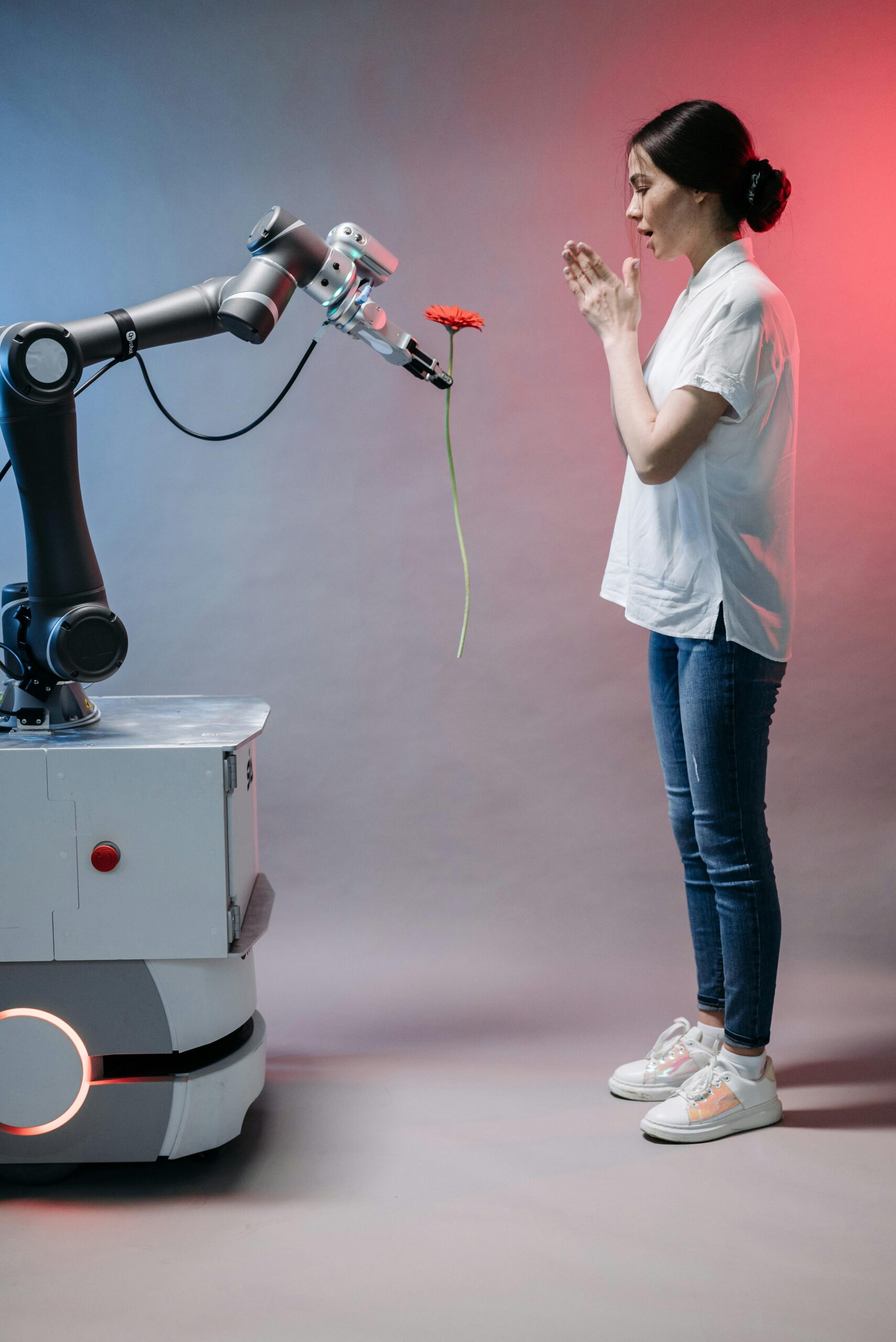
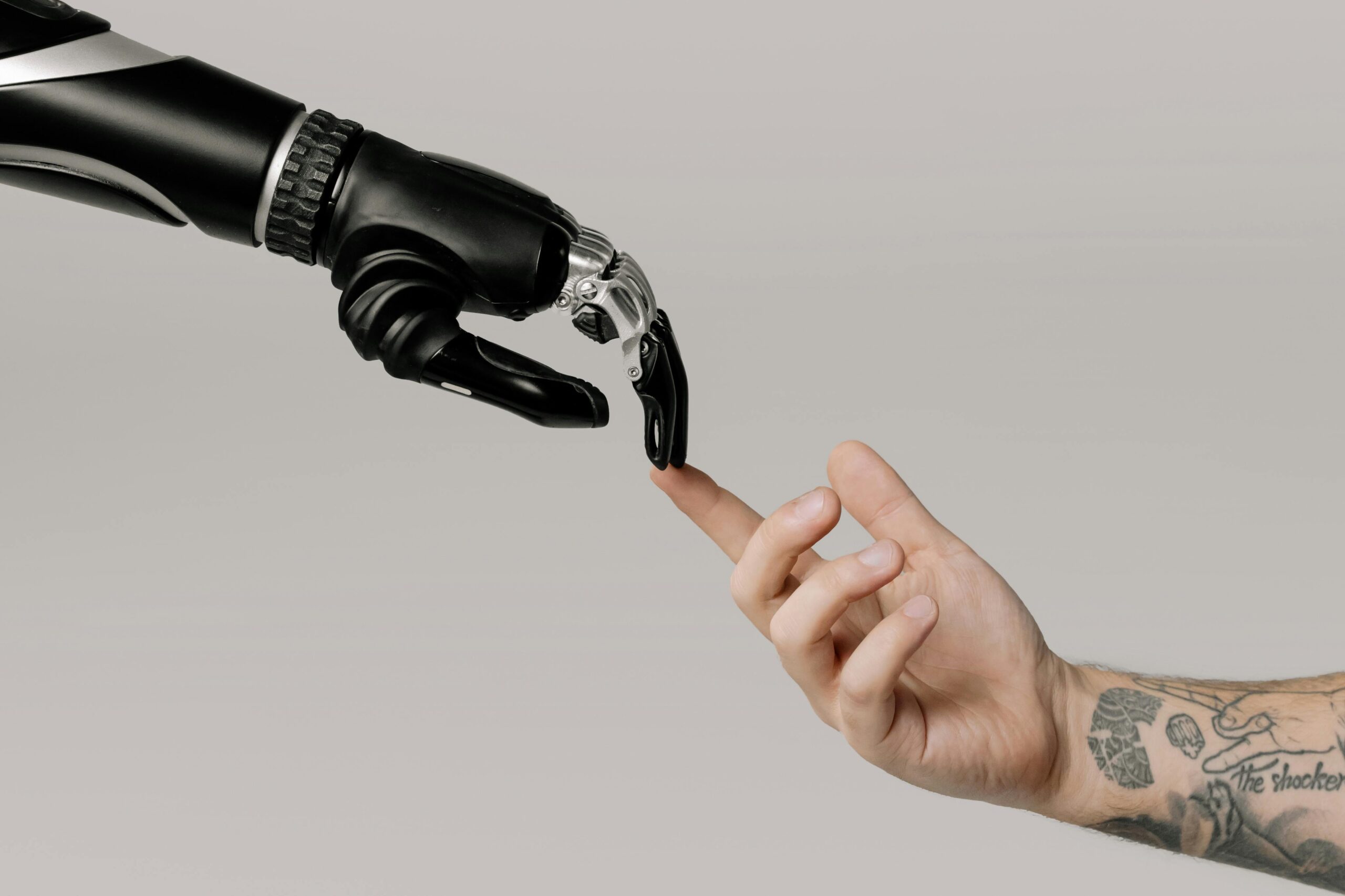
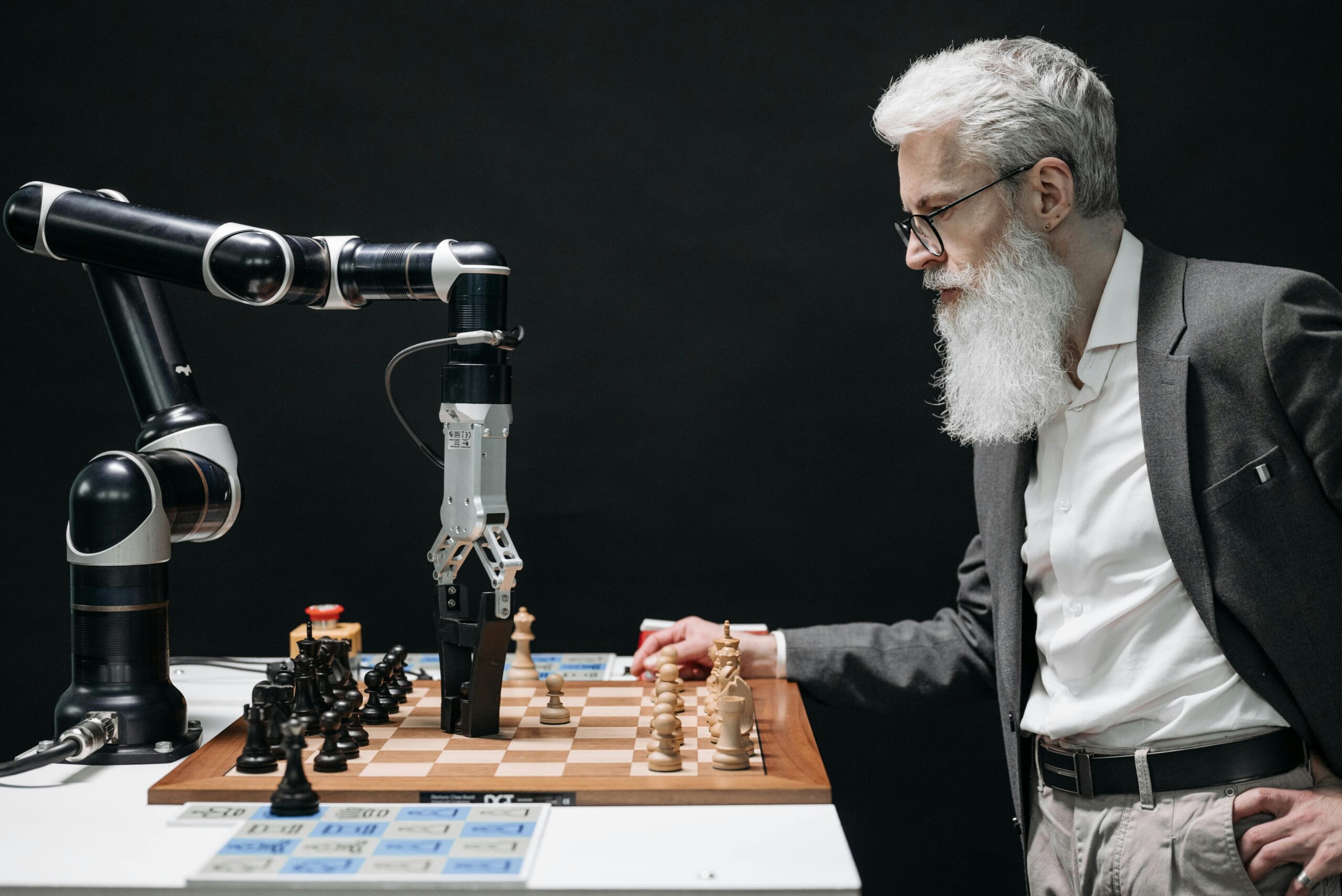
The rapid advancement of artificial intelligence (AI) is transforming the nature of work across the world. Tasks that once required human intelligence, creativity, and judgment are increasingly being performed by machines. From education and healthcare to transportation and customer service, AI systems are demonstrating remarkable efficiency and precision. As organisations seek greater productivity and cost-effectiveness, the adoption of AI has accelerated, raising an important debate: is artificial intelligence gradually replacing humans in the workplace? While AI has brought numerous benefits in terms of speed, accuracy, and efficiency, its growing role in professional environments also raises concerns about employment, social stability, and human autonomy.
How AI Is Replacing Humans in the Workplace
One of the most noticeable transformations brought by AI is in the field of education. Artificial intelligence is now capable of acting as a personalized tutor, significantly improving the learning experience of students. AI-based tutoring systems analyze the strengths and weaknesses of learners and tailor lessons accordingly. A notable example is Squirrel AI Tutor in China, which uses artificial intelligence to provide personalized learning paths for students. This system adapts to each student’s pace and understanding, often delivering more targeted assistance than traditional classroom teaching.
Similarly, AI is revolutionizing the healthcare sector by performing tasks that once required highly trained medical professionals. Robotic systems equipped with AI are capable of conducting surgeries with remarkable precision and accuracy. A striking example is the STAR robot (Smart Tissue Autonomous Robot), which has successfully performed delicate surgical procedures with minimal human intervention. Such innovations demonstrate how machines are gradually taking over complex tasks that were traditionally the domain of doctors.
Artificial intelligence is also transforming the transportation industry. Automated driving technologies are reducing human involvement in driving and potentially lowering the risk of accidents caused by human error. A prominent example is the Tesla automatic car system, which uses AI-powered autopilot features to navigate roads, monitor surroundings, and assist drivers. As this technology continues to evolve, it could significantly reduce the need for human drivers in the future.
In many workplaces, AI has also become a powerful assistant that performs tasks faster and often more efficiently than humans. Tools such as ChatGPT used for drafting letters, emails, and reports allow employees to complete routine writing tasks within seconds. This capability is gradually changing the nature of office work, as machines now handle many administrative and communication-related responsibilities.
Customer service is another sector experiencing a major shift due to AI. Companies increasingly rely on automated chatbots to respond to customer queries and provide support. A clear example is the Amazon chatbot system, which assists customers by answering common questions, processing requests, and resolving complaints without the need for human agents. This automation reduces operational costs while providing immediate responses to customers.
Artificial intelligence is even entering fields that were once considered exclusively human, such as art and creativity. AI-powered tools can now generate images, animations, and creative content within seconds. For instance, the Ghibli-style AI art feature allows users to generate artwork inspired by famous animation styles almost instantly. Such developments highlight how machines are beginning to compete with human creativity in artistic domains.
In public administration and urban management, AI is also replacing certain human roles. Traffic monitoring systems equipped with artificial intelligence can automatically detect violations such as speeding or running red lights. In Karachi, AI surveillance cameras catching traffic violations demonstrate how technology is gradually replacing the need for traffic police officers at many intersections.
Another area where AI excels is data analysis. Artificial intelligence systems can process massive amounts of information within seconds, identifying patterns and presenting insights far more quickly than human analysts. This capability enables organizations to make informed decisions based on real-time data analysis, reducing reliance on large teams of human analysts.
Finally, AI is increasingly acting as a researcher by rapidly searching, processing, and synthesizing information from vast digital databases. With the ability to analyze thousands of sources within moments, AI systems can assist in generating conclusions and insights much faster than traditional research methods. This capability is reshaping how knowledge is produced and accessed in many professional fields.
Impacts of AI Replacing Humans
While the growing presence of AI in workplaces brings efficiency and innovation, it also creates several significant challenges. One major concern is the widening of socio-economic inequality. As machines replace routine jobs, workers with limited technical skills may find themselves unemployed or underemployed. Meanwhile, individuals with advanced digital skills are likely to benefit more from the AI-driven economy, potentially widening the gap between different social groups.
Another concern is the increasing influence of AI over institutions and human decision-making. When machines control systems in healthcare, finance, governance, and other sectors, there is a risk that human autonomy may diminish. Excessive reliance on AI could lead to situations where human judgment is sidelined in favor of algorithmic decisions.
Moreover, the displacement of workers by automation may lead to psychological and social consequences. Employment is not only a source of income but also a source of identity and social connection. As jobs disappear due to automation, many individuals—particularly men who traditionally associate identity with work—may experience isolation, anxiety, and rising mental health issues.
Solutions to Manage the Transition
To address these challenges, governments and institutions must adopt proactive strategies. First, artificial intelligence should be properly regulated and monitored to prevent abrupt and uncontrolled disruptions in the labor market. Effective governance can ensure that technological progress does not come at the expense of social stability.
Second, education systems must adapt to the demands of the digital age. Introducing digital and technological curricula at the school level can prepare future generations for an AI-driven world. By equipping students with programming, data literacy, and critical thinking skills, societies can ensure that humans remain relevant in the evolving job market.
Finally, continuous upskilling and reskilling of the workforce are essential. Workers must be provided opportunities to learn new skills that complement AI rather than compete with it. Training programs in fields such as data science, AI management, and digital technologies can help individuals transition into new roles created by technological advancement.
Conclusion
Artificial intelligence is rapidly transforming the modern workplace, performing tasks that were once exclusively carried out by humans. From AI tutors like Squirrel AI in China to robotic surgeons such as the STAR robot, from Tesla’s automated driving systems to chatbots used by Amazon, AI is reshaping industries across the globe. While these innovations improve efficiency and productivity, they also raise serious concerns about employment, inequality, and human autonomy. Therefore, societies must strike a careful balance between embracing technological progress and protecting human welfare. Through proper regulation, education reform, and workforce reskilling, humanity can ensure that AI becomes a tool for empowerment rather than a force that replaces human potential.