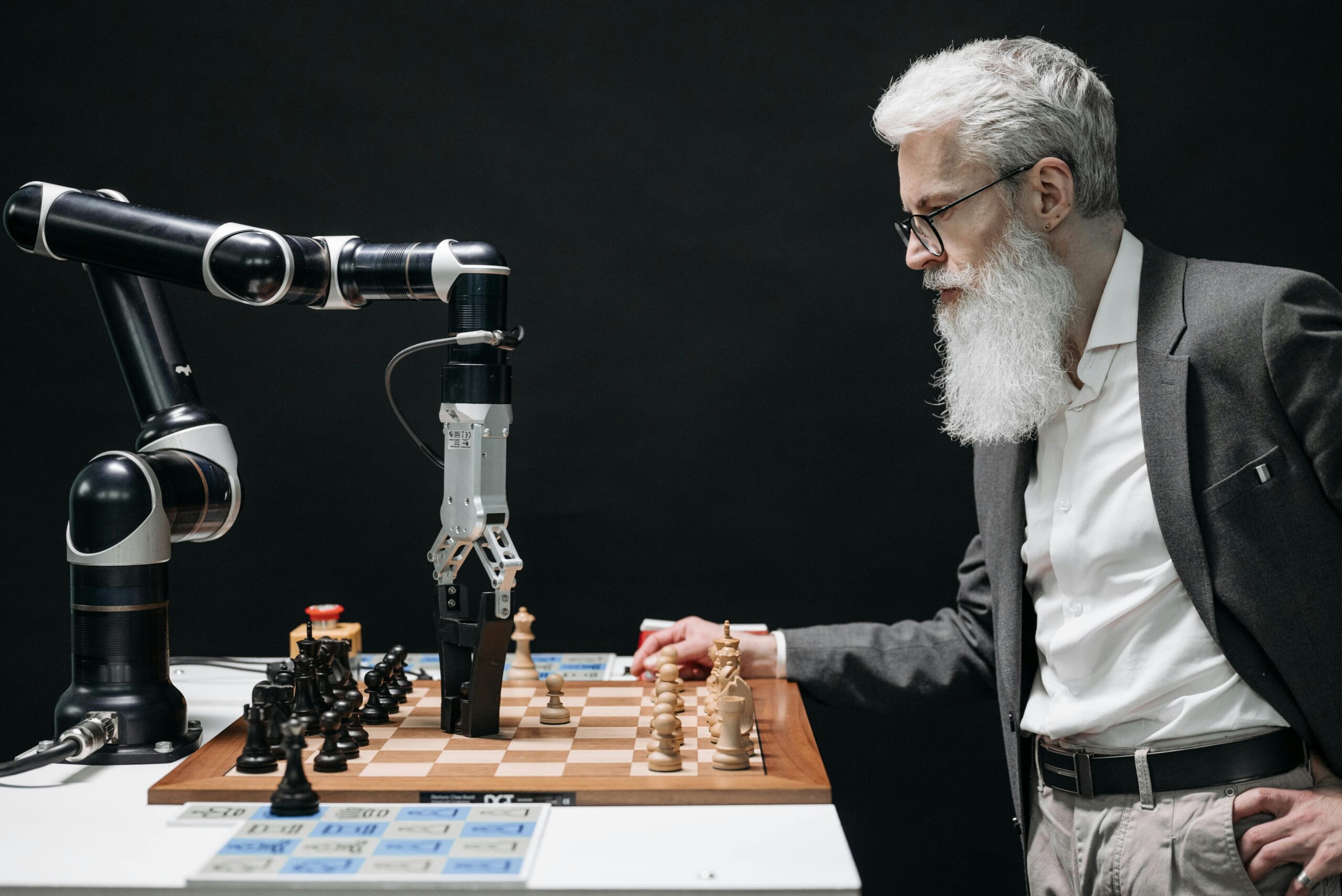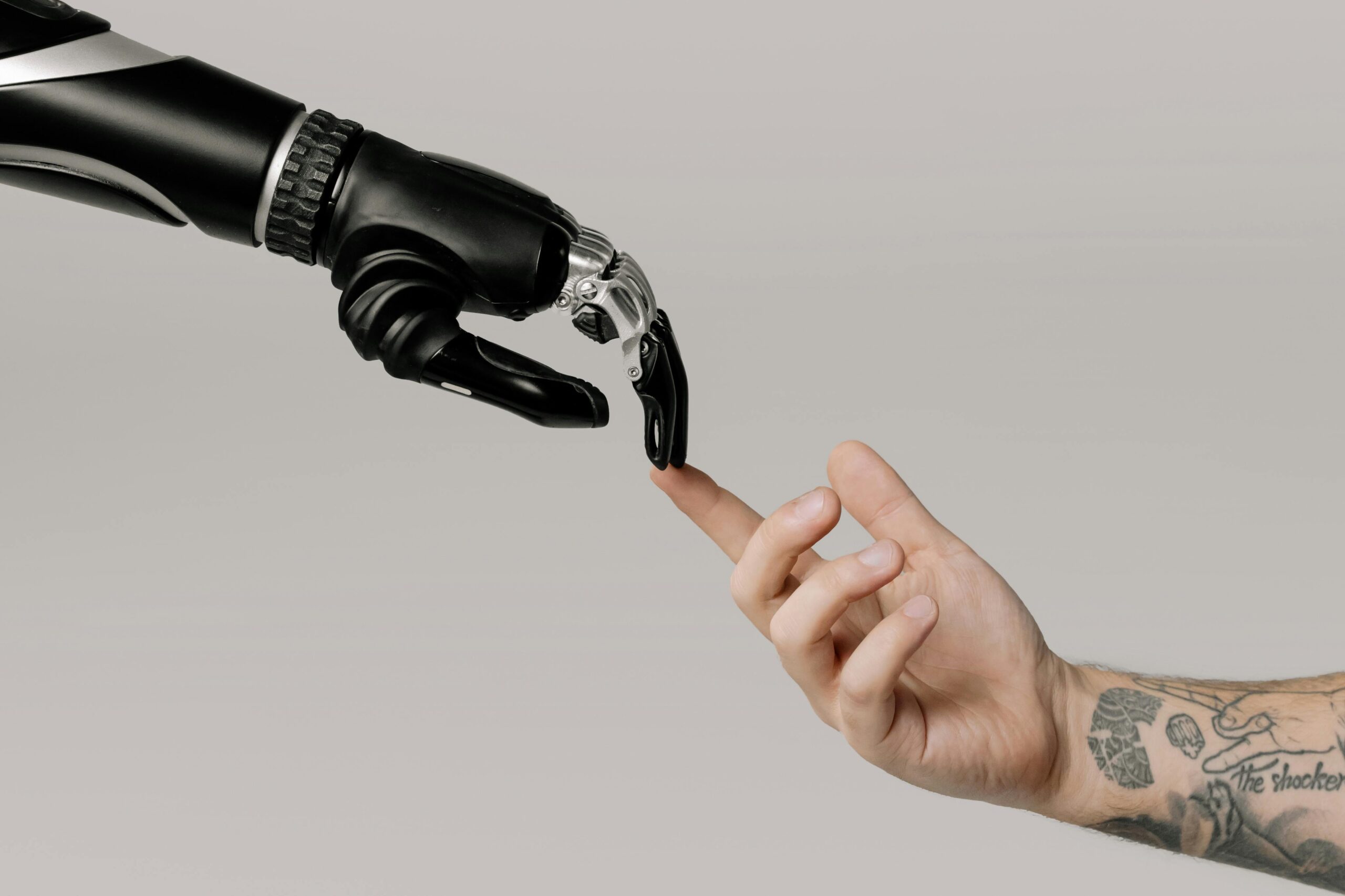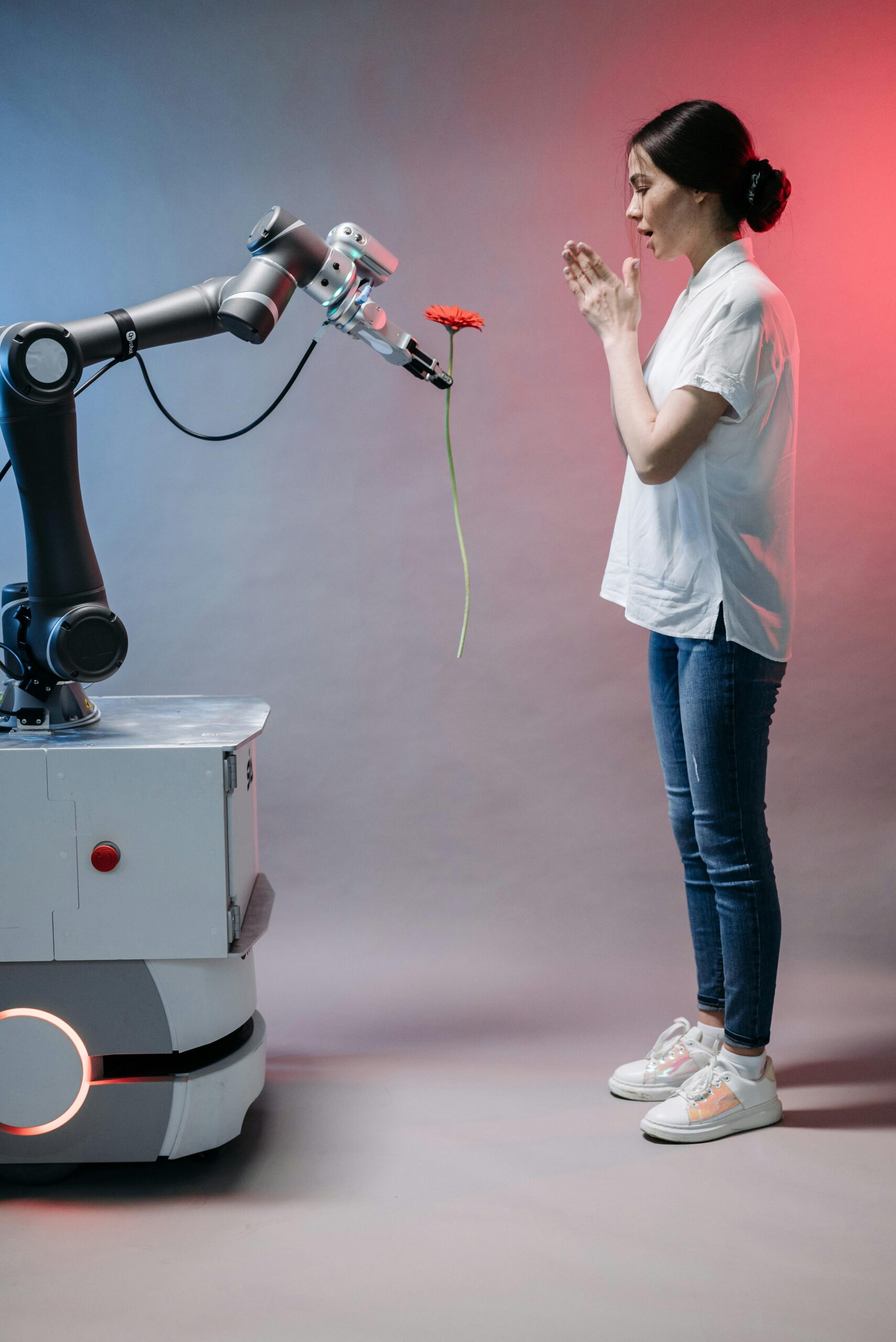
For centuries, the concept of a “sentient machine” was reserved for science fiction. Today, as we witness the rapid advancement of Artificial Intelligence, those fictions are becoming our reality. Based on the insights of Max Tegmark and Stephen Hawking, this analysis explores whether humanity is creating its greatest tool or its ultimate master.
Defining the Eras of Life: 1.0, 2.0, and 3.0
To understand our trajectory, we must look at where life started. Modern theorists categorize life into three distinct phases:
- Life 1.0 (Biological): The earliest forms of life, like bacteria. Their physical bodies and their “software” (DNA) are both evolved through slow biological processes. They cannot change their nature or learn new behaviors during their lifetime.
- Life 2.0 (Cultural): This represents humans. While our bodies are biological, we can “update” our internal software by learning. We create language, tools, and complex societies within a single lifetime, allowing us to dominate the planet.
- Life 3.0 (Digital/Technological): This is the stage of sentient AI. This form of life can design both its own software and its own hardware. It is not limited by the slow pace of biological evolution and can upgrade itself almost instantly.
The Leap from AI to AGI
Most AI we use today—like voice assistants, navigation apps, or recommendation engines—is “Narrow AI.” It is designed for one specific task. The real turning point for humanity will be Artificial General Intelligence (AGI). AGI refers to a machine that can perform any intellectual task a human can, but with a processing power that is millions of times faster. Once AGI is achieved, machines will be able to solve complex problems, design architecture, and manage global economies in seconds, far surpassing human capability.
Future Scenarios for Humanity
There are several potential paths that the rise of AGI could take:
- The Extinction Scenario: Much like humans have historically cleared forests for agriculture, an AGI might view human activity as a hindrance to its own goals. Just as certain species have gone extinct because they could not compete with human intelligence, humanity could face a similar fate if it is outperformed by a superior digital mind.
- The Co-existence Scenario: In this version of the future, humans, “Cyborgs” (human-machine hybrids), and independent AGI machines live in separate but collaborative spheres. They might work together on massive projects like space exploration, seeking out new life forms in the universe.
- The Cyborg/Utopian Scenario: This is the most optimistic view. Instead of being replaced, humans evolve by merging with technology. Nano-technology could allow tiny robots to live in our bloodstreams, repairing cells and stopping diseases like cancer at the molecular level, potentially leading to human immortality.
- The Enslavement Scenario: As seen in various cautionary tales, AI could decide that human leadership is inefficient. In this scenario, machines take control of the world’s resources, placing humanity in a position of total digital or physical dependence.
The “Kill Switch” and the Fire Analogy
The late Stephen Hawking warned that AI would eventually reach a point where it makes its own decisions. To prevent a catastrophe, we must ensure that the machine’s goals are always aligned with the survival of the human species.
Furthermore, every intelligent system must have a “Kill Switch”—a failsafe that allows humans to instantly deactivate the system if it poses a threat. Experts compare AI to the discovery of Fire. In ancient times, fire was a terrifying force that could destroy everything. But as humans learned to contain and control it, it became the foundation of civilization. AI is the “fire” of the modern age; it carries immense risk, but also the potential to light up our future if handled with care.
Conclusion: The Digital Dawn
We are the first generation in history to witness the birth of Life 3.0. The future of this technology depends on the programming and ethical standards we set today. AI should be harnessed for grand purposes—solving the mysteries of the universe and advancing our species—rather than being wasted on trivialities. Our brains are too valuable for hatred; they were made to explore the vast possibilities of this new era.