In the modern era, the average person touches their phone over 2,600 times a day. For many, the “screen time” report has become a source of weekly shame, often clocking in at 6 to 7 hours daily. While we often dismiss this as a “bad habit,” the reality is far more clinical. We are living through a global experiment in behavioral addiction, driven by a $400 billion industry that has successfully hacked the human brain’s reward system.
To understand why we can’t stop scrolling, we must look past the screen and into the chemistry of the mind.
1. The Dopamine Myth: Motivation vs. Pleasure
Most people believe dopamine is the chemical that makes us feel “happy.” This is a fundamental misunderstanding. The actual “pleasure” or “joy” we feel—like the warmth of a hug or the taste of a good meal—is largely driven by endorphins and serotonin.
Getty Images
When your phone pings with a notification, your brain isn’t reacting to the message itself; it is reacting to the possibility of a reward. This spike in dopamine creates a “itch” that can only be scratched by checking the app. Social media companies have mastered this “Reward Prediction Error” loop, keeping users in a constant state of seeking, rather than finding.
2. The Hedonic Treadmill and Chronic Deficit
The human brain is designed for balance (homeostasis). When we experience an artificial “high” from an Instagram post going viral or a streak of entertaining Reels, the brain compensates by down-regulating its own dopamine receptors.
This leads to the Hedonic Treadmill:
- Baseline Shift: Your “normal” state of happiness begins to drop.
- Tolerance: You eventually need more likes, more controversial news, and more frequent scrolling just to feel “okay.”
- The Black Pill of Nihilism: When the screen is turned off, the real world feels gray and boring by comparison. This is “Chronic Dopamine Deficit,” a state where users feel restless, irritable, and anxious when not “connected.”
3. The Architecture of Addiction: Friction vs. Speed
Why are we addicted to TikTok but not to reading textbooks or going to the gym? The answer lies in two variables: Ease of Access and Speed of Reward.
The Friction Gap
- High-Friction Activities: To get a “reward” from the gym, you must pack a bag, travel, exercise for an hour, and wait weeks for results. The friction is high, and the reward is slow.
- Low-Friction Activities: To get a “reward” from a smartphone, you simply move your thumb two inches. There is zero friction.
The Infinite Scroll
Tech companies deliberately removed the “stopping cues” of the early internet. Previously, you reached the “end” of a page. Now, with Infinite Scroll, the reward is refreshed every 15 seconds. This “Variable Ratio Schedule” is the exact same mechanism used in slot machines in Las Vegas. You keep pulling the lever (scrolling) because you never know when the “jackpot” (the next funny or shocking video) will appear.
4. The Engineering of Echo Chambers
Social media doesn’t just steal your time; it reshapes your perception of reality. To keep you on the platform longer, the algorithm must show you content you agree with. This creates Radicalization and Echo Chambers.
If you engage with a certain political or social viewpoint, the algorithm “jails” you in a world where everyone else seems to agree with that view. You lose the ability to empathize with “the other side,” leading to the extreme societal polarization we see in 2026. This isn’t an accident; it is a business model. Outrage generates 5x more engagement than calm discussion, so the algorithm prioritizes anger to keep the “eyeballs” fixed on the screen.
5. Societal Impact: The Death of Deep Work
For the competitive exam aspirant or the professional, social media is a career-killer. Success in high-level exams like the FPSC, CSS, or MOD requires Deep Work—the ability to focus on a single complex task for hours.
The Attention Economy trains your brain to expect a new stimulus every 10 seconds. When you finally sit down to read a 20-page report or a history book, your brain feels “starved.” You find yourself checking your phone every two minutes because your dopamine receptors are screaming for a quick hit. We are losing the “intellectual stamina” required to solve the world’s most complex problems.
6. Reclaiming Your Life: The “Friction” Strategy
If ease of access is the cause of addiction, strategic friction is the cure. You cannot rely on “willpower” alone because you are fighting against thousands of engineers whose job is to break your willpower. You must change your environment.
Level 1: Notification Silence
Turn off all non-human notifications. Your phone should only vibrate for phone calls. If you aren’t expecting a reward, your dopamine won’t spike as often.
Level 2: App Deletion
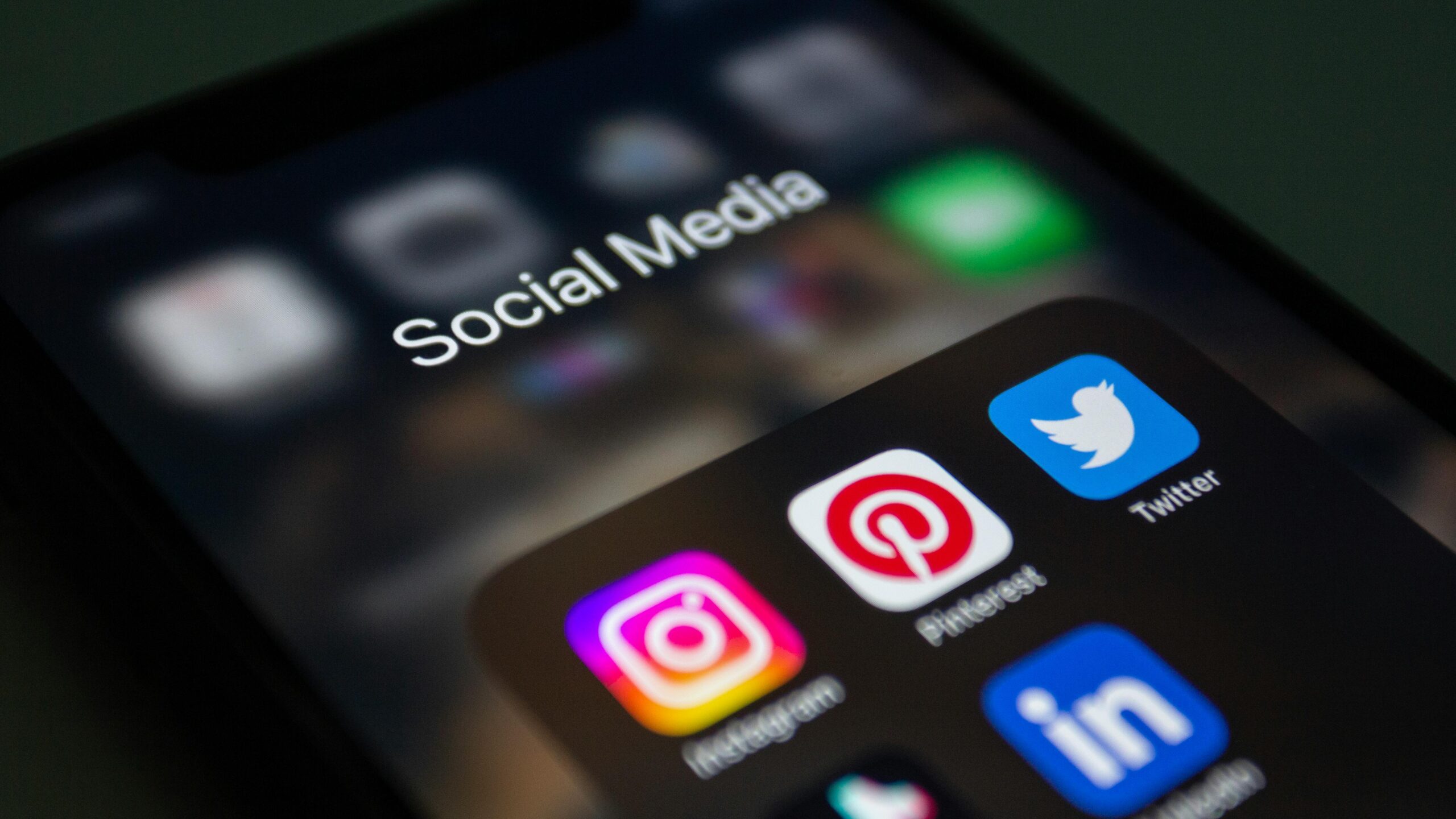
Delete the social media apps, but keep your accounts. If you want to check Facebook or Twitter, you must log in via a mobile browser or a laptop. This adds 30 seconds of “friction” to the process, which is often enough to stop an impulsive check.
Level 3: Grayscale Mode
Our brains are attracted to the bright, saturated colors of app icons (notification red is specifically designed to trigger urgency). By turning your phone to Grayscale (Black and White), you make the device remarkably boring to look at.
Level 4: The “Password Barrier”
Use private browsing or log out after every session. Forcing yourself to type a password every time you want to see a “reel” makes the “Speed of Reward” much slower, allowing your rational mind to override your addictive impulse.
7. Conclusion: The Digital Sovereign
The goal is not to live in a cave or abandon technology. The goal is Digital Sovereignty—being the master of your tools rather than their slave.
In the Attention Economy, the most radical act you can perform is to look away. When you reclaim your focus, you reclaim your ability to think, to learn, and to build a life that exists beyond the “Hedonic Treadmill.” For the Curious Aspirant, the ability to concentrate is your greatest competitive advantage. In a world of distracted people, the one who can focus for four hours is a king.